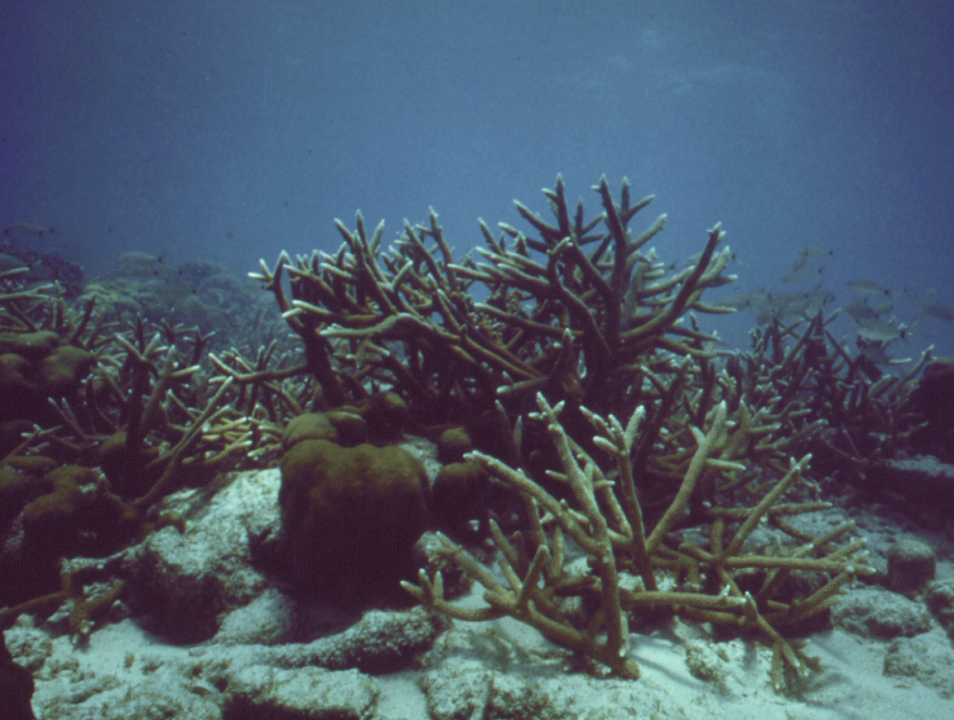
Flip Schulke, a renowned American photographer, is celebrated for his diverse body of work that ranges from civil rights documentation to underwater photography. One of his notable pieces, “John Pennekamp Coral Reef State Park, Miles Off Key Largo”, captures the unique beauty of Florida’s underwater world. This image, taken miles off the coast of Key Largo, is not just a photograph of a location—it’s a portal into one of the most stunning and ecologically significant coral reefs in the United States.
The Legacy of John Pennekamp Coral Reef State Park
John Pennekamp Coral Reef State Park, established in 1963, was the first undersea park in the United States, dedicated to preserving the vibrant marine ecosystems of the Florida Keys. Named after John Pennekamp, a Miami newspaper editor and conservationist who advocated for the protection of coral reefs, the park spans 70 nautical square miles and is home to a rich variety of marine life, including coral species, tropical fish, and sea turtles.
The park lies within the Florida Keys National Marine Sanctuary and protects one of the only living coral reef systems in North America. Its significance goes beyond its natural beauty—it’s a vital area for ecological research, marine conservation, and environmental education.
Flip Schulke’s Underwater Photography
Flip Schulke was a pioneer in underwater photography, pushing the boundaries of what could be achieved with a camera below the surface. His fascination with the underwater world began in the 1950s, long before modern scuba diving and underwater camera equipment became widely accessible. Schulke’s ability to capture the ethereal beauty of the underwater environment brought the hidden world beneath the ocean’s surface into public view, showcasing the importance of ocean conservation.
In “John Pennekamp Coral Reef State Park, Miles Off Key Largo”, Schulke masterfully combines his technical skill with a profound sense of wonder. The image transports the viewer to the colorful reefs, offering a glimpse of the teeming life that exists just beneath the waves. Coral structures, intricate in their design, stretch out like underwater forests, while fish dart in and out of the crevices, moving in schools through the clear blue water. Schulke’s use of light in the photograph accentuates the vibrancy of the coral and the clarity of the water, making the viewer feel as though they are floating alongside the marine life.
The Importance of Conservation
The beauty captured in Schulke’s photograph is a reminder of the fragility of coral reef ecosystems. Coral reefs, while resilient in some ways, are highly sensitive to environmental changes. Rising ocean temperatures, pollution, and overfishing have caused significant damage to reefs worldwide, including parts of the Florida Keys. Efforts to preserve and restore coral reefs have become a global priority, as they are not only vital habitats for marine species but also protect coastlines from erosion and support the livelihoods of communities dependent on marine tourism and fishing.
John Pennekamp Coral Reef State Park plays a crucial role in marine conservation efforts, offering protected space for coral to thrive and for scientists to study these complex ecosystems. It also serves as an educational resource, allowing visitors to snorkel, dive, and explore the reefs while learning about the importance of protecting our oceans.
Schulke’s Impact and Legacy
Flip Schulke’s photograph of John Pennekamp Coral Reef State Park captures a moment of serenity and beauty, but it also serves as a call to action. Through his work, Schulke helped foster a greater appreciation for the underwater world, highlighting the need for environmental stewardship. His photographs continue to inspire generations of conservationists, divers, and ocean lovers.
As we look at “John Pennekamp Coral Reef State Park, Miles Off Key Largo”, we are reminded of the delicate balance that exists in nature. The vivid colors of the coral, the clear waters, and the diversity of life shown in the image are a testament to the park’s value as a natural wonder. Through Schulke’s lens, the importance of preserving such places becomes undeniable.